January isn’t just the start of a new year—it’s a reset button for your business. While you’re planning new goals, reviewing budgets, and setting growth targets, your website may still be operating on last year’s strategy. An outdated site can quietly cost you leads, credibility, and revenue every single day without you even realizing it. The good news? January is the best time to fix what’s broken before those losses compound throughout the year.
Your website is not just an online brochure. It’s your hardest-working salesperson, operating 24/7. If it isn’t optimized for today’s users, you’re leaving opportunities on the table before the year has even truly begun.

Your Website Might Be Turning Visitors Away
Your website is often the very first impression potential customers have of your business. Before they call, email, or book a consultation, they visit your site to decide if you’re worth their time. If that experience feels outdated or frustrating, most users won’t give you a second chance.
Modern consumers have high expectations. They expect speed, clarity, and ease. If your website doesn’t meet those standards, visitors leave—often within seconds.
Slow Load Times Kill Interest
Website speed is no longer optional. Users expect pages to load almost instantly, especially on mobile devices. If your site takes more than a few seconds to appear, visitors assume your business is behind the times.
Slow load times lead to:
- Higher bounce rates
- Lower engagement
- Fewer completed forms
- Lost trust before a word is even read
In January, when competition ramps up and users are actively searching for solutions, speed matters more than ever.
Outdated Design Lowers Trust
Design trends change quickly. Fonts, layouts, spacing, and visuals that worked five years ago now signal neglect rather than stability. Even if your services are excellent, an outdated design can create doubt in the visitor’s mind.
People subconsciously associate website quality with business quality. If your site looks old, cluttered, or inconsistent, users may assume your services are too.

Poor Mobile Responsiveness Drives Users Away
More than half of website traffic now comes from mobile devices. If your website isn’t mobile-friendly, you’re alienating a massive portion of your audience.
Common mobile issues include:
- Text that’s too small to read
- Buttons that are hard to tap
- Layouts that break on smaller screens
- Slow mobile load times
A website that doesn’t adapt smoothly across devices is no longer acceptable in 2026.

Confusing Navigation Prevents Conversions
If visitors can’t quickly find what they’re looking for, they won’t stay. Overloaded menus, unclear labels, and buried information create friction that kills conversions.
Your navigation should guide users effortlessly toward:
- Key services
- Contact or booking pages
- Clear next steps
If your website feels confusing, visitors won’t take the time to figure it out—they’ll simply leave.
How an Outdated Website Costs You Leads
When your website doesn’t align with how people search, browse, and make decisions today, you lose opportunities without even realizing it. Many visitors arrive with intent. They’re interested. They’re curious. But friction pushes them elsewhere.
Lost leads aren’t always loud. Often, they disappear quietly.
Poor SEO Structure Limits Visibility
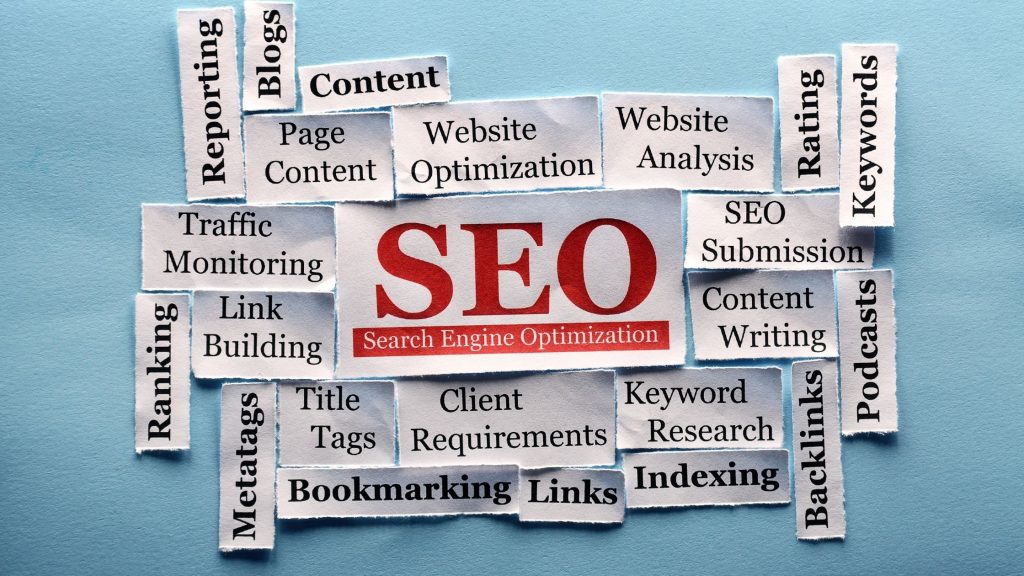
Search engine optimization isn’t just about keywords—it’s about structure, speed, and relevance. Older websites often lack:
- Proper heading hierarchy
- Optimized metadata
- Clean URLs
- Fast performance
As a result, Google struggles to understand or prioritize your site. If you’re not visible on page one, potential customers never even get the chance to choose you.
Weak Calls-to-Action Don’t Guide Users
A website without clear calls-to-action leaves visitors wondering what to do next. Buttons like “Learn More” or “Click Here” don’t provide direction or urgency.
Strong websites guide users clearly toward actions such as:
- Booking a consultation
- Requesting a quote
- Signing up for updates
- Calling your business
Without strategic CTAs, visitors leave without converting.
Old Content No Longer Reflects Your Business
Your business evolves—but many websites don’t. Services change. Messaging improves. Audiences shift. If your content doesn’t reflect who you are today, it creates confusion and disconnect.
Outdated content can:
- Undervalue your expertise
- Misrepresent your offerings
- Fail to speak to current customer pain points
January is the ideal time to realign your messaging with where your business is now—not where it was years ago.
Forms and Booking Tools Fail Silently
Broken forms, outdated plugins, and clunky booking tools are one of the biggest silent killers of leads. Visitors may attempt to contact you, only to abandon the process due to frustration—or worse, submit a form that never reaches you.
If you’re not regularly testing your website’s functionality, you may be missing inquiries without knowing it.
Why January Is the Perfect Time for a Website Reset
January sets the tone for the entire year. Businesses that refresh their digital presence early gain momentum while competitors fall behind. It’s the month when customers are actively searching, evaluating, and committing to new providers.
Starting the year with a strong website puts you ahead immediately.

New Year = Higher Intent and Search Activity
January is one of the most active months for online searches. People are:
- Setting new goals
- Looking for better solutions
- Comparing providers
- Making decisions earlier in the year
If your website isn’t ready, those searches benefit your competitors instead.
Easier Alignment With Annual Marketing Goals
Updating your website in January allows everything else to fall into place. Your social media, advertising, email campaigns, and content strategy all perform better when they point to a modern, optimized site.
A refreshed website becomes the foundation for every marketing effort that follows.

Fresh Design Supports New Campaigns
Launching new promotions, services, or messaging on an outdated site creates inconsistency. A modern website ensures that every campaign feels cohesive and intentional.
It also gives you flexibility to test new ideas throughout the year without technical limitations.
Google Rewards Updated Websites
Search engines favor websites that are actively maintained. Regular updates signal relevance, trustworthiness, and authority. A January website refresh can improve:
- Rankings
- Crawlability
- User engagement metrics
These benefits compound over time, making early-year updates especially powerful.
What a High-Converting Website Should Include in 2026
A modern website isn’t just about looking good—it’s about performing well. Design and functionality must work together to turn visitors into leads and customers.
Small improvements often lead to significant gains.
Mobile-First Design
Your website should be designed for mobile users first, then scaled up for desktop. This ensures speed, clarity, and usability across all devices.
Mobile-first design prioritizes:
- Readable text
- Easy navigation
- Fast loading
- Clear CTAs

Clear Messaging and Headlines
Visitors should understand who you are, what you do, and how you help within seconds of landing on your site. Strong headlines eliminate confusion and build trust instantly.
Your messaging should focus on:
- Customer pain points
- Clear benefits
- Simple language
Fast Page Speed
Performance directly affects conversions. Optimized images, clean code, and modern hosting all play a role in keeping your site fast.
A fast website:
- Keeps users engaged
- Improves SEO
- Increases form submissions

Strategic Calls-to-Action
Every page should guide visitors toward a purpose. Whether it’s booking a call or requesting information, CTAs should be visible, compelling, and consistent.
High-converting CTAs:
- Use action-oriented language
- Create urgency
- Clearly explain the benefit
SEO-Optimized Content
Your content should be written for both users and search engines. That means answering real questions, using relevant keywords naturally, and structuring pages properly.
SEO isn’t about tricks—it’s about clarity and relevance.
Integrated Lead Capture Tools
Forms, booking calendars, chat tools, and email integrations should work seamlessly. Lead capture should feel effortless for users and reliable for your business.
If your website doesn’t actively support lead generation, it’s underperforming.

Conclusion
An outdated website doesn’t just look behind—it actively holds your business back. January gives you the opportunity to reset, rebuild, and start the year with a digital presence that actually works for you. If your website isn’t generating leads, now is the time to fix it and set your business up for success before another year passes you by.
👉 Start the year strong—book a digital reset today.
Categories
Latest Articles
Stay up to date
with news and
educational information
[hubspot type=”form” portal=”5213843″ id=”b19f3e1c-0beb-4946-9d04-2bb47dfa17e0″]