2026 isn’t waiting for businesses to catch up — it’s already rewarding the ones that adapted early. Your website, content, and digital presence are no longer optional tools; they’re decision-makers for your customers. In many cases, they are the only interaction someone has with your business before deciding whether to trust you. If your online presence feels outdated, inconsistent, or invisible, it’s quietly costing you trust, leads, and revenue. This is the digital wake-up call businesses can’t afford to snooze.
For years, businesses were able to “get by” online. A basic website. Occasional social posts. Minimal updates. But that era is over. Consumer expectations have changed, algorithms have changed, and competition has become louder, faster, and more strategic. In 2026, your digital presence is no longer just a reflection of your business — it is your business in the eyes of your audience.
This shift isn’t meant to scare you. It’s meant to wake you up.
Because the businesses that understand this moment — and act on it — are the ones that will win.
The Cost of Standing Still Online
Businesses that don’t evolve digitally don’t just fall behind — they become irrelevant. And the most dangerous part? It doesn’t happen all at once. It happens quietly.
A slow website here.
An outdated headline there.
A confusing message that doesn’t quite land.
In a landscape where customers make decisions in seconds, these small issues stack up quickly. Today’s consumers don’t wait. They don’t “give it another chance.” They click away and move on to the next option — often a competitor who looks more polished, more credible, and more current.
First impressions now happen online, long before a phone call or email. In many cases, they happen without you ever knowing. A potential customer visits your site, feels unsure, and leaves. No form filled out. No call made. No opportunity to recover.
Standing still online doesn’t just stall growth — it actively works against you.
How an Outdated Digital Presence Hurts Your Business
When your online presence isn’t aligned with current expectations, it sends signals you never intended to send. Signals like:
- “We haven’t updated in a while.”
- “We’re behind the times.”
- “We might not be reliable.”
- “This business isn’t growing.”
Even if none of that is true.
Your digital presence is judged before you are.
Common Issues Businesses Face When They Don’t Adapt
- Slow-loading or outdated websites reduce conversions: Speed matters. A delay of even a few seconds can cause users to abandon your site entirely. In 2026, patience is minimal — and Google knows it.
- Inconsistent branding weakens trust: When your website, social media, and marketing materials don’t align visually or tonally, it creates confusion. Confusion kills confidence.
- Poor mobile experience turns visitors away: Mobile-first isn’t a trend — it’s the standard. If your site isn’t seamless on a phone, you’re losing a massive portion of your audience.
- Outdated content signals stagnation: Old blogs, expired promotions, or irrelevant messaging tell visitors your business isn’t active — even if it is behind the scenes.
The cost of standing still isn’t always immediate. But over time, it compounds. Lost leads. Missed opportunities. Declining visibility. And eventually, a growing gap between you and competitors who chose to move forward.
What “Adapting” Really Means in 2026
Adapting isn’t about chasing trends. It’s not about jumping on every new platform or redesigning your website every year. In 2026, adapting means something much more intentional.
It means building a digital foundation that supports long-term growth.
Successful businesses today focus on clarity, performance, and visibility. They understand that their website isn’t just an online brochure — it’s a living system that educates, builds trust, and drives action.
Your website should work as your hardest-working employee. It should:
- Answer questions before they’re asked
- Communicate value instantly
- Guide visitors toward clear next steps
- Operate 24/7 without burnout

The Core Elements of a 2026-Ready Digital Presence
1. A Modern, Mobile-First Website Experience
Your website must be designed with real users in mind. That means clean layouts, intuitive navigation, fast load times, and responsive design across all devices.
A modern website doesn’t overwhelm visitors — it guides them.
2. Clear Messaging That Speaks to Your Ideal Client
In 2026, vague messaging doesn’t work. People want to know exactly what you do, who you help, and why it matters — immediately.
Your homepage should answer three questions within seconds:
- Who is this for?
- What problem do they solve?
- Why should I trust them?
If those answers aren’t obvious, you’re losing attention.
3. SEO-Driven Content That Answers Real Questions
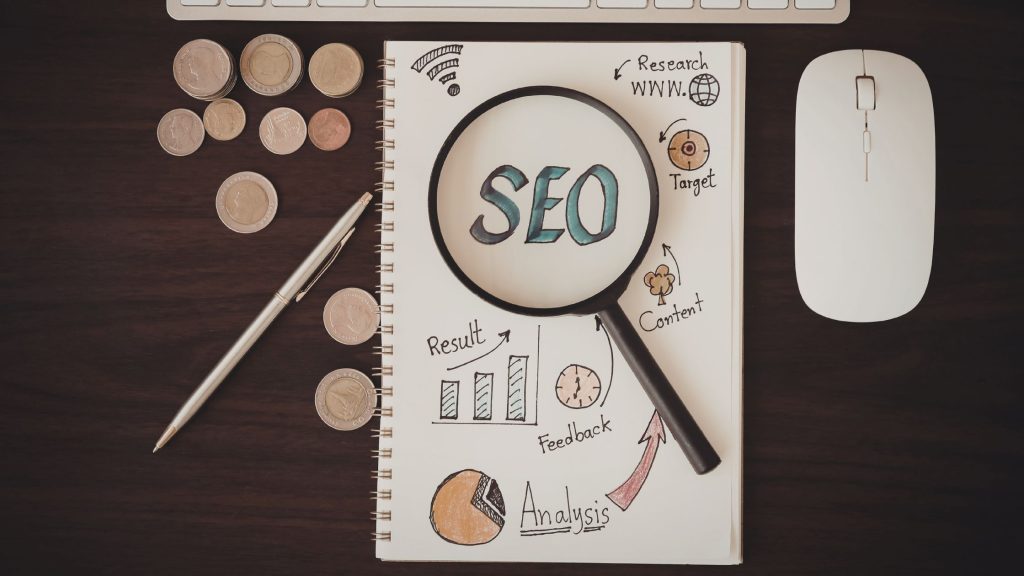
Content isn’t about filling space anymore. It’s about being found and being helpful.
Search engines reward businesses that provide value. That means creating blogs, pages, and resources that directly answer what your audience is already searching for — clearly, thoroughly, and consistently.
4. Strong Visuals That Reinforce Credibility
Design is no longer just aesthetic — it’s psychological. Clean visuals, consistent branding, and professional imagery all signal trust.
If your business looks established online, people are more likely to believe it is.
5. Integrated Tools That Support Lead Generation
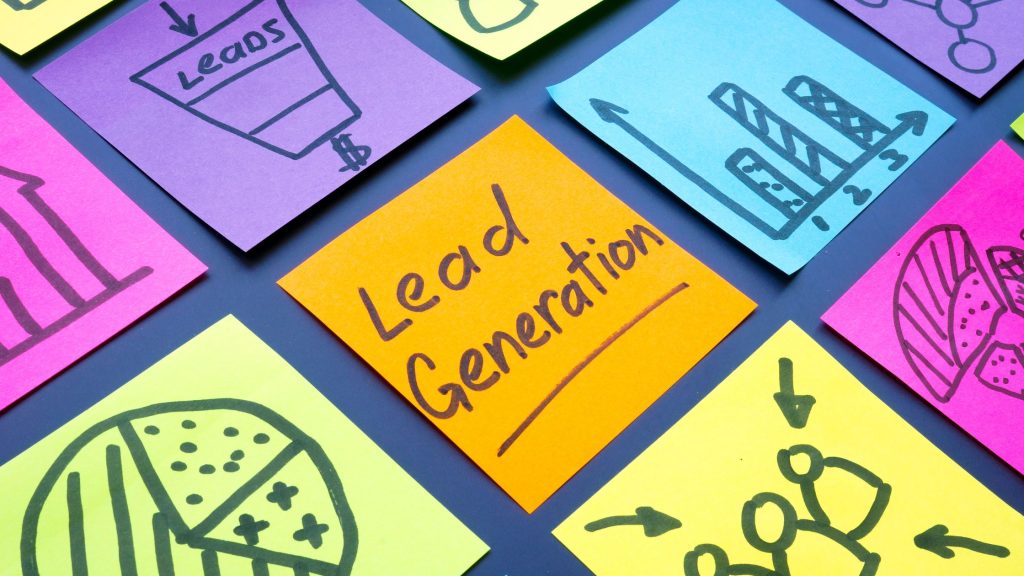
From contact forms to booking systems to analytics, your digital tools should work together seamlessly. Every interaction should feel intentional, not accidental.
Adapting means removing friction — not adding complexity.
Why Early Adopters Win the Digital Race
Timing matters.
Businesses that act now gain momentum that compounds throughout the year — and beyond. Digital upgrades don’t just improve visibility; they build trust, authority, and consistency over time.
The earlier you adapt, the more space you create between you and your competitors.
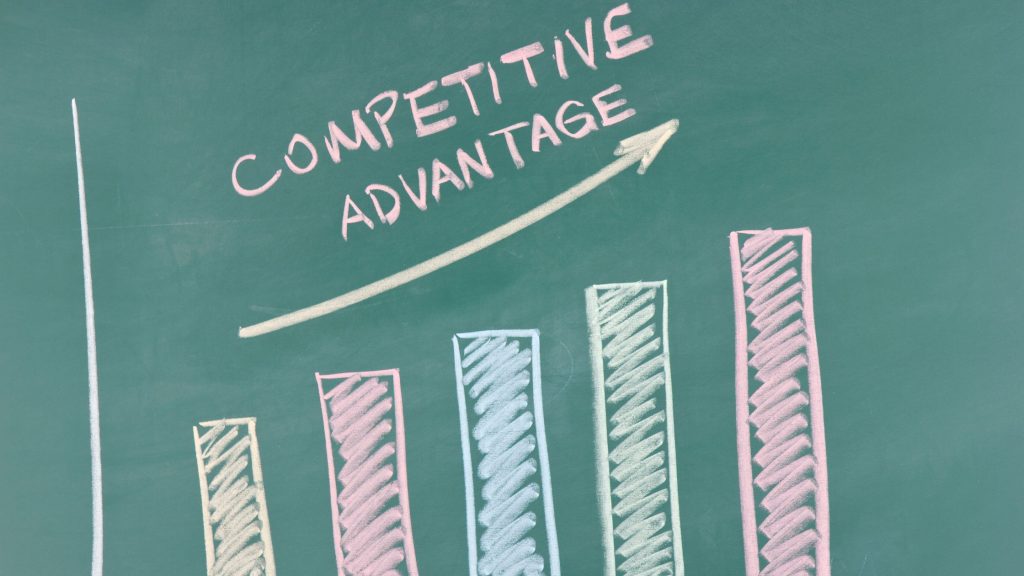
Momentum Is a Competitive Advantage
When you update your website, improve your SEO, and clarify your messaging early, you give your digital presence time to:
- Rank higher in search engines
- Build audience familiarity
- Collect data and insights
- Refine what’s working
Businesses that wait often find themselves rushing — reacting instead of leading.
The Benefits of Being Early
- Higher search engine rankings: SEO is not instant. The sooner you invest, the sooner results compound.
- Better lead quality: Clear messaging attracts the right audience — not just more traffic.
- Stronger brand perception: A polished digital presence positions your business as established and credible.
- Increased customer confidence: Trust grows when everything feels aligned, professional, and intentional.
- Long-term marketing efficiency: A strong foundation reduces the need for constant fixes and reactive spending.
Early adopters don’t just win attention — they win loyalty.

The Shift from “Online Presence” to “Digital Authority”
One of the biggest changes heading into 2026 is this: simply being online is no longer enough.
Businesses must become authorities in their space.
Digital authority is built when your content, website, and messaging consistently demonstrate expertise, reliability, and relevance. It’s what makes customers choose you — even when there are cheaper or more visible options.
Authority is earned through:
- Consistent content
- Clear positioning
- Professional presentation
- Thoughtful strategy
And once it’s established, it becomes incredibly difficult for competitors to replicate quickly.

Why 2026 Is the Tipping Point
Every few years, there’s a shift that separates businesses into two groups:
- Those who adapt
- Those who struggle to catch up
2026 is one of those moments.
With increased competition, smarter algorithms, and more informed consumers, businesses can no longer rely on outdated systems or “good enough” digital strategies.
The gap between leaders and laggards is widening — fast.
The good news? There’s still time. But the window is closing.
Conclusion: Reset, Rebuild, and Rise
The businesses that win in 2026 aren’t waiting — they’re building now. They understand that their digital presence should be working for them every day, attracting the right audience and converting attention into action. A strong online foundation isn’t a luxury anymore — it’s a requirement for sustainable growth.
If your website, content, or digital strategy hasn’t evolved, now is the time to reset, rebuild, and rise.
Is your online presence ready for 2026? Let’s find out.
Categories
Latest Articles
Stay up to date
with news and
educational information
[hubspot type=”form” portal=”5213843″ id=”b19f3e1c-0beb-4946-9d04-2bb47dfa17e0″]