Likes, comments, and follower counts can feel like signs of success—but do they actually lead to business growth? Many businesses mistake social engagement for marketing performance, only to realize later they’re not generating real leads or revenue. The truth is, effective marketing goes beyond vanity metrics. While engagement can signal awareness and interest, it doesn’t always tell you whether your marketing is driving meaningful business results.
The real purpose of marketing isn’t simply to get attention; it’s to create momentum that turns attention into action. Whether that means generating leads, increasing sales, improving customer retention, or strengthening brand trust, success is measured by outcomes—not just activity. This guide will help you understand the indicators that show whether your marketing is actually working and where to focus if it isn’t.

Stop Measuring Vanity Metrics Alone
Social media likes and follower growth can be encouraging, but they only tell part of the story. Awareness matters, but awareness without action doesn’t fuel business growth.
A post may get strong engagement, but if it doesn’t lead to website visits, inquiries, or conversions, its impact may be limited. That doesn’t mean social engagement has no value—it simply means it shouldn’t be your only benchmark for success.
Instead of focusing solely on surface-level numbers, businesses should look at performance indicators tied to revenue, customer behavior, and return on investment.
Metrics That Matter More Than Likes
Some stronger indicators of marketing performance include:
- Website traffic growth trends
- Lead generation volume
- Conversion rates
- Cost per lead or acquisition
- Email open and click-through rates
- Customer inquiries or booked consultations
- Sales attributed to campaigns
These metrics provide a much clearer picture of whether your marketing is creating business opportunities or simply creating noise.

5 Signs Your Marketing Is Actually Working
Here are a few strong indicators your efforts are paying off:
- You’re generating qualified leads consistently
- Website visitors are taking action
- Ad spend is producing measurable ROI
- Customers mention finding you online
- Revenue is increasing alongside marketing activity
If these are happening, your marketing is likely moving beyond awareness and contributing to growth.
Track Conversions, Not Just Attention
Traffic alone doesn’t grow a business. What visitors do after landing on your website matters even more.
Strong marketing creates movement—phone calls, form submissions, bookings, purchases. If you’re not tracking these actions, you may be missing whether your campaigns are truly performing.
Many businesses invest heavily in attracting visitors but overlook what happens next. If a website is bringing in traffic but not generating inquiries or sales, the issue may not be traffic at all—it may be conversion.
Key Conversions to Monitor
Depending on your business, valuable conversions might include:
- Contact form submissions
- Phone calls from your website
- Online bookings or quote requests
- E-commerce purchases
- Newsletter signups
- Downloadable lead magnet opt-ins
Each action signals intent. The more you understand where those actions happen, the better you can optimize results.

Questions to Ask About Conversion Performance
Use this simple checklist:
- Are visitors converting once they arrive?
- Which campaigns drive the most leads?
- Where are people dropping off?
- Is your website helping or hurting conversions?
- Are landing pages aligned with ad messaging?
Sometimes improving marketing performance isn’t about spending more—it’s about improving what happens after the click.
Look at Lead Quality, Not Just Lead Quantity
More leads doesn’t always mean better results.
If your marketing is attracting the wrong audience, you may be spending time chasing poor-fit inquiries. A high lead volume can look impressive, but if few leads convert into paying customers, something may be misaligned.
Effective marketing attracts qualified prospects who are more likely to become customers.
Signs Lead Quality Is Improving
Strong lead quality often shows up through:
- Better-fit inquiries
- Higher close rates
- Larger average sale value
- Shorter sales cycles
- More referrals and repeat business
These signals often matter far more than lead volume alone.
A smaller number of qualified leads can outperform a larger volume of weak ones. Good marketing doesn’t just generate attention—it attracts the right attention.

Measure ROI and Long-Term Growth Indicators
Marketing should support business growth, not just activity.
Sometimes the most effective campaigns aren’t the ones getting the most likes—they’re the ones quietly generating revenue month after month.
That’s why long-term performance indicators matter.
Metrics Worth Monitoring
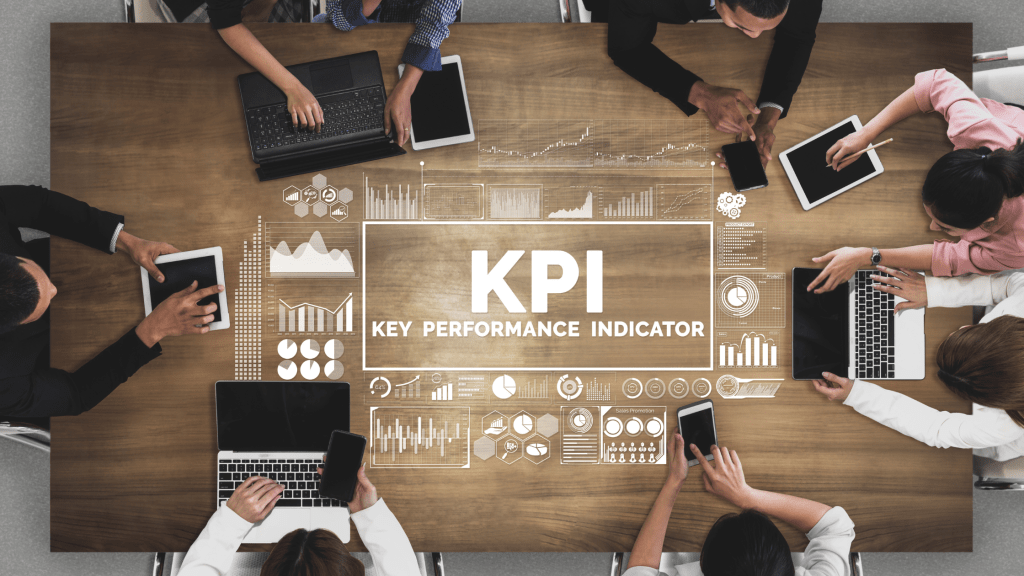
Some important KPIs include:
- Return on ad spend (ROAS)
- Customer acquisition cost (CAC)
- Customer lifetime value (CLV)
- Revenue growth from campaigns
- Organic search growth
- Repeat customer retention rates
These numbers reveal whether your marketing investment is creating sustainable growth.
Monthly Marketing KPIs to Review
Build a habit of reviewing:
- Traffic
- Leads
- Conversion rates
- Revenue influenced by marketing
- Cost per acquisition
Looking at these monthly can help identify trends before problems grow.
Marketing success is rarely judged by one campaign. It’s often seen in consistent momentum over time.
If You’re Not Reviewing Data Regularly, You’re Guessing
One of the biggest reasons businesses think marketing “isn’t working” is they aren’t measuring it consistently.
Without reporting, it’s easy to rely on assumptions.
Regular reporting helps reveal what’s performing, what needs improvement, and where opportunities exist.
It also helps businesses make proactive decisions instead of reactive ones.

What a Monthly Marketing Review Should Include
A strong review may include:
- Traffic analysis
- Campaign performance review
- Lead source breakdown
- Conversion performance
- ROI summary
- Next-step optimization plan
This kind of review turns data into action.
Even small businesses benefit from simple reporting dashboards. You don’t need enterprise-level analytics to make smarter decisions—you need consistent visibility.

Marketing Success Often Shows Up in Small Signals First
Not every sign of success appears as immediate revenue.
Sometimes progress looks like:
- Better search rankings
- Lower ad costs over time
- More qualified inquiries
- Improved email engagement
- Higher website engagement
- Increased referral activity
These may be early indicators that your marketing is moving in the right direction.
Growth often starts with small performance improvements that compound over time.
Recognizing those signals can help you refine your strategy before major opportunities emerge.

Marketing Should Drive Decisions, Not Just Activity
A common mistake businesses make is staying busy with marketing without evaluating impact.
Posting consistently, running ads, publishing blogs—these are tactics.
Results come from how well those tactics support business goals.
Ask yourself:
- Is our marketing generating opportunities?
- Is it supporting revenue goals?
- Are we measuring what matters most?
- Are we improving based on data?
When marketing becomes measurable, it becomes scalable.

Conclusion
Successful marketing isn’t measured by likes alone—it’s measured by leads, conversions, revenue, and long-term growth. When you focus on the right metrics, you gain clarity on what’s working and where to improve. If you’re unsure whether your marketing is driving real results, it may be time to audit your strategy, review your data, and optimize for performance.
Categories
Latest Articles
Stay up to date
with news and
educational information
[hubspot type=”form” portal=”5213843″ id=”b19f3e1c-0beb-4946-9d04-2bb47dfa17e0″]