May is a turning point for many small businesses. The days are longer, consumer spending habits shift, and online activity tends to increase as people move out of winter routines and into planning mode for summer. For Canadian small businesses, this period presents a valuable opportunity: increased traffic, higher engagement, and renewed interest in products and services.
But here’s the real challenge—traffic alone doesn’t grow a business. Conversions do. And even more importantly, long-term customers do.
This blog breaks down practical, SEO-driven Spring Growth Strategies that help small businesses not only capture May traffic but also turn it into loyal, returning customers.

Why May Is a Critical Month for Small Business Growth
Before diving into strategy, it’s important to understand why May matters so much from a digital marketing perspective.
May sits at the intersection of seasonal behavioural change:
- People are planning summer services, travel, renovations, and events
- Search activity increases for local services (“near me” searches spike)
- Businesses begin launching seasonal promotions
- Consumers are more active on social media and mobile browsing
- Google search trends shift toward “outdoor,” “service upgrades,” and “summer prep”
This means your business has a window of opportunity to capture attention before the summer rush.
Key SEO search trends often include:
- “best [service] near me”
- “affordable [service] Canada”
- “spring deals [industry]”
- “book now summer availability”
- “local [service] Kingston / Toronto / Hamilton / Ontario”
If your website and content are not optimized for these seasonal keywords, you’re likely missing out on high-intent traffic.
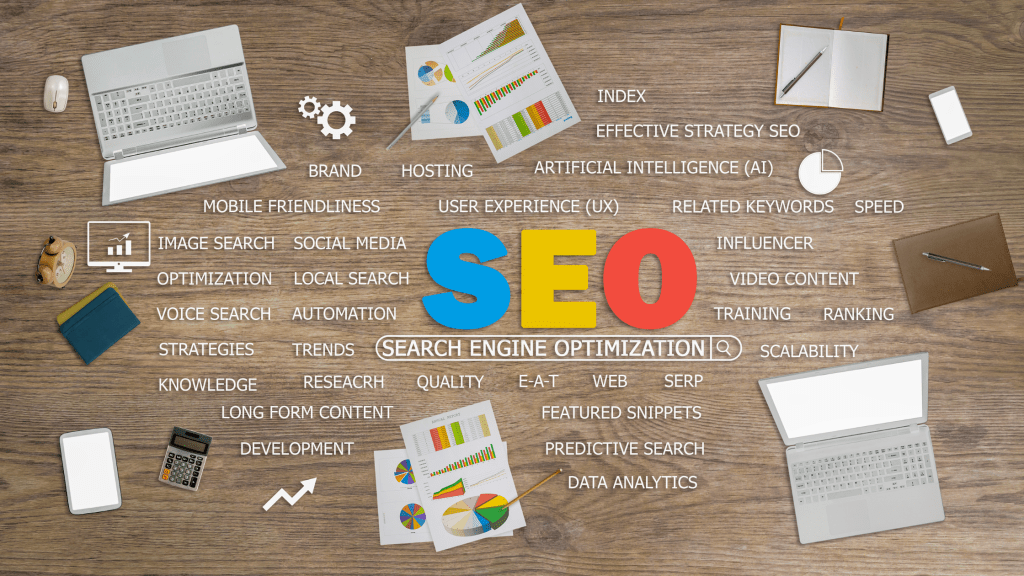
Step 1: Optimize Your Website for Seasonal SEO Keywords
Search Engine Optimization (SEO) is the foundation of turning traffic into customers. In May, you should be adjusting your keyword strategy to reflect seasonal intent.
Focus Keywords to Target:
- Spring marketing strategies for small businesses
- Seasonal SEO Canada
- How to increase website traffic in May
- Convert website visitors into customers
- Local SEO services Canada
- Digital marketing strategies for small business growth
Long-tail keyword examples:
- “how to turn website traffic into paying customers”
- “best spring marketing ideas for small businesses in Canada”
- “SEO tips to increase local traffic in May”
- “how small businesses grow online in spring”
What to do:
- Update page titles and meta descriptions with seasonal keywords
- Add blog content targeting spring-specific searches
- Refresh homepage copy with “May promotions” or “spring services”
- Add internal links to service pages and contact pages
- Ensure H1 and H2 headers include SEO keywords naturally
Google rewards freshness. Updating content in May signals relevance.
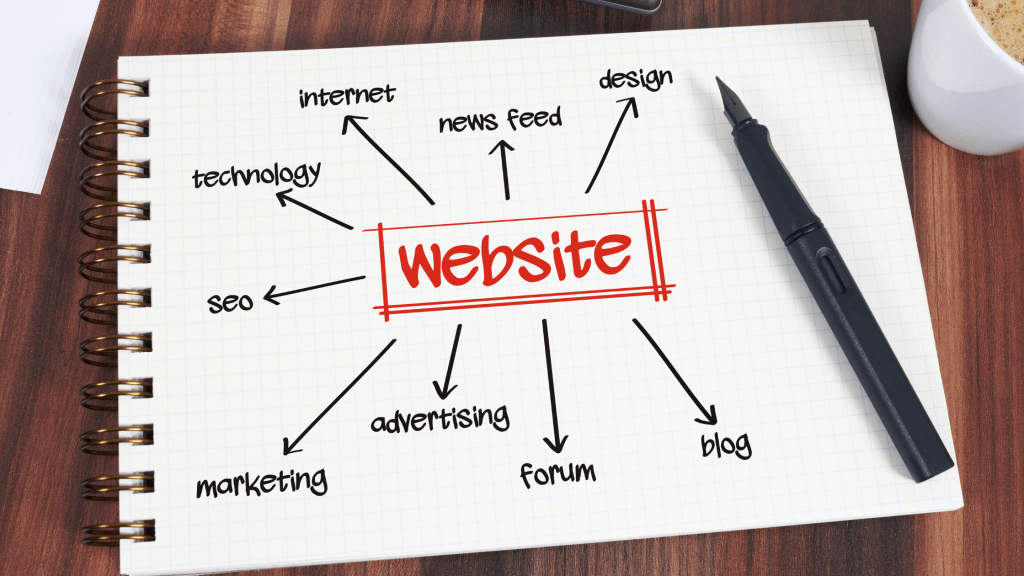
Step 2: Improve Conversion-Focused Website Design
Traffic means nothing if your website doesn’t convert.
A conversion-focused website ensures that visitors take action—whether that’s booking a call, filling out a form, or making a purchase.
Key Conversion Elements:
- Clear call-to-action buttons (e.g., “Book Now”, “Get a Quote”)
- Fast loading speed (under 3 seconds ideal)
- Mobile responsiveness (critical for local searches)
- Trust signals (reviews, testimonials, Google ratings)
- Simple navigation structure
- Service clarity (no confusion about what you offer)
High-performing pages include:
- Service pages optimized for SEO
- Dedicated landing pages for seasonal offers
- Contact pages with minimal friction
- FAQ sections that answer objections
A common mistake small businesses make is focusing only on traffic, not user experience. But Google’s algorithm now heavily considers engagement metrics like bounce rate and time on site.

Step 3: Turn May Traffic Into Email Subscribers
One of the most powerful long-term strategies is converting website visitors into email subscribers.
Why? Because email marketing gives you direct access to your audience without relying on algorithms.
Effective lead magnets for May:
- “Spring Marketing Checklist for Small Businesses”
- “Free Website SEO Audit”
- “10 Ways to Increase Customers Before Summer”
- “Local Business Growth Guide (Canada Edition)”
Best practices:
- Place sign-up forms on high-traffic pages
- Use pop-ups with exit intent (not intrusive)
- Offer immediate value (not just “subscribe for updates”)
- Keep forms simple (name + email only)
Once you have email subscribers, you can nurture them into long-term customers with consistent communication.
Step 4: Leverage Local SEO for Search Traffic
If your business serves a specific region, Local SEO is one of the most powerful tools available.
In May, local search demand increases significantly, especially for services tied to home improvement, events, health, and lifestyle.
Key Local SEO strategies:
- Optimise your Google Business Profile
- Add location-based keywords (e.g., “Hamilton digital marketing services”)
- Collect new Google reviews consistently
- Add local landing pages for each service area
- Include map embeds on your website
Example local keywords:
- “marketing agency Hamilton Ontario”
- “small business SEO Canada”
- “web design services Kingston Ontario”
- “digital marketing near me”
Google prioritises businesses that show strong local relevance and engagement.

Step 5: Use Content Marketing to Build Authority
Blogging is still one of the most effective SEO tools when done correctly.
A well-optimised blog can rank on Google for months or even years, bringing in consistent organic traffic.
Content ideas for May:
- “How Small Businesses Can Prepare for Summer Sales”
- “Top SEO Trends for Canadian Businesses in 2026”
- “Why Spring Is the Best Time to Redesign Your Website”
- “How to Increase Website Conversions Without Increasing Traffic”
Content structure for SEO:
- Use keyword-rich headings
- Include internal links to services
- Answer real customer questions
- Keep paragraphs short and readable
- Add clear calls to action throughout
Google favours content that is helpful, structured, and authoritative.

Step 6: Retargeting Visitors Into Customers
Most website visitors won’t convert on their first visit. That’s where retargeting comes in.
Retargeting allows you to show ads to people who have already interacted with your website.
Platforms to use:
- Google Ads remarketing
- Facebook & Instagram retargeting
- LinkedIn retargeting (for B2B businesses)
Retargeting message ideas:
- “Still thinking about growing your business this spring?”
- “Let’s turn your website traffic into real customers”
- “Book your free consultation today”
Retargeting is often significantly cheaper than cold advertising because the audience is already warm.

Step 7: Build Trust to Increase Long-Term Customer Value
Turning traffic into long-term customers is not just about marketing—it’s about trust.
Trust-building strategies:
- Showcase client testimonials prominently
- Add case studies with real results
- Highlight certifications or partnerships
- Maintain consistent branding across all platforms
- Be transparent about pricing or service structure
Customers don’t just buy services—they buy confidence in your ability to deliver results.

Step 8: Track, Measure, and Improve Performance
If you are not tracking your marketing performance, you are guessing.
Key metrics to monitor:
- Website traffic sources (organic, paid, social)
- Conversion rates (form submissions, calls, purchases)
- Bounce rate
- Average session duration
- Keyword rankings
- Email sign-up rate
Tools like Google Analytics and Google Search Console help you understand what’s working—and what isn’t.
Data-driven marketing always outperforms guesswork.

Final Thoughts: Turning May Traffic Into Sustainable Growth
May is not just another month in the calendar—it’s a strategic opportunity for small businesses to reset, grow, and build momentum heading into summer.
But the difference between businesses that grow and businesses that plateau comes down to one thing:
What you do with your traffic.
By combining:
- SEO optimisation
- Conversion-focused website design
- Local search visibility
- Content marketing
- Email nurturing
- Retargeting campaigns
…you create a full ecosystem that doesn’t just attract visitors—but turns them into long-term customers.
If your business focuses on building systems now, May traffic becomes more than seasonal—it becomes sustainable growth.
Categories
Latest Articles
Stay up to date
with news and
educational information
[hubspot type=”form” portal=”5213843″ id=”b19f3e1c-0beb-4946-9d04-2bb47dfa17e0″]