The halfway point of the year is the perfect time to evaluate what’s working in your marketing strategy and what isn’t. Many businesses set ambitious goals in January but rarely stop to assess their progress until year-end. A mid-year marketing checkup gives you the opportunity to identify missed opportunities, improve performance, and finish the year strong. Before summer comes to an end, now is the ideal time to make adjustments that can boost your results for the months ahead.
Marketing is not something you can simply set and forget. Consumer behaviour changes, competitors adjust their strategies, search engine algorithms evolve, and new opportunities emerge throughout the year. What worked six months ago may no longer be delivering the same results today.
For many small and medium-sized businesses, summer can also be a slower period. This makes it the perfect time to review your current efforts and prepare for a stronger fall season. By conducting a thorough marketing review now, you can ensure your budget, time, and resources are focused on activities that generate real business growth.
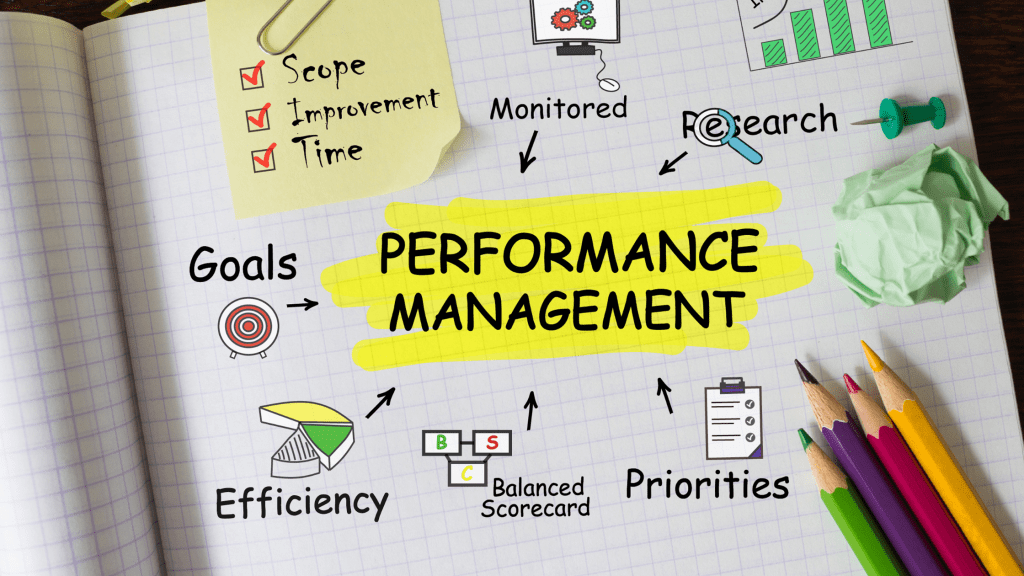
Review Your Marketing Performance So Far
Before planning your next campaign, take a close look at your current marketing efforts. Understanding what’s driving results—and what’s falling short—allows you to make informed decisions moving forward.
Many business owners make the mistake of judging their marketing based on gut feelings rather than actual performance data. While intuition can be valuable, data provides a much clearer picture of how your marketing efforts are contributing to your business goals.
Start by reviewing the key metrics that matter most to your organization. Depending on your objectives, this may include website traffic, lead generation, phone calls, online purchases, appointment bookings, or social media engagement.
Ask yourself:
- Has website traffic increased since the beginning of the year?
- Are visitors staying on your site longer?
- Which pages attract the most traffic?
- Which marketing channels generate the highest quality leads?
- Are your social media efforts driving meaningful engagement?
Website traffic trends can reveal a great deal about the effectiveness of your digital marketing strategy. If traffic has increased, determine which channels are responsible. Organic search, social media, email campaigns, and paid advertising may all contribute differently.
Lead generation performance should also be examined closely. More traffic does not always translate into more customers. If website visits have increased but inquiries have remained stagnant, there may be issues with your website, calls-to-action, or user experience.
Reviewing social media metrics can help identify what content resonates with your audience. Pay attention to engagement rates, shares, comments, and reach rather than focusing solely on follower counts.
You should also evaluate your search engine optimization efforts. Check your keyword rankings and identify whether important search terms have improved, remained stable, or declined over the past six months. Strong SEO performance often contributes to sustainable long-term growth.
Finally, examine your email marketing campaigns. Open rates, click-through rates, and conversion rates can provide valuable insights into how effectively you’re communicating with your audience.
The goal of this review is not simply to collect data. It is to identify trends, understand customer behaviour, and determine where future opportunities exist.

Identify What’s Not Delivering Results
Not every marketing strategy performs as expected. A mid-year review helps uncover ineffective tactics that may be consuming valuable time and budget.
Many businesses continue investing in underperforming campaigns simply because they have already invested significant resources into them. However, successful marketing requires ongoing evaluation and adjustment.
Begin by reviewing your advertising campaigns across all platforms. Whether you’re running Google Ads, Facebook campaigns, or other digital advertising initiatives, compare performance against your original objectives.
Look for warning signs such as:
- High advertising costs with few conversions
- Low click-through rates
- Poor audience engagement
- Declining return on investment
- Increased cost per lead
Landing pages are another common area where businesses lose potential customers. Even if your advertisements generate clicks, a poorly designed landing page can prevent visitors from taking action.
Review your landing pages and ask:
- Is the message clear and compelling?
- Does the page load quickly?
- Is there a strong call-to-action?
- Is the page mobile-friendly?
- Are visitors converting at an acceptable rate?
Outdated website content can also impact performance. Search engines favour fresh, relevant information. If your website contains outdated services, old staff information, expired promotions, or neglected blog content, it may be hurting both user experience and search rankings.
Inconsistent social media activity is another common issue. Businesses often begin the year posting regularly but gradually lose momentum. If your posting schedule has become sporadic, your audience may be less likely to engage with your content.
Additionally, review your keyword performance. Search rankings naturally fluctuate over time, but significant declines may indicate increased competition, technical SEO issues, or outdated content that requires updating.
Once you’ve identified areas of weakness, create an action plan. Not every problem needs to be fixed immediately, but understanding where improvements are needed allows you to prioritize your efforts effectively.

Refresh Your Website and Online Presence
Your website is often the first impression potential customers have of your business. If it’s outdated, slow, or difficult to navigate, it could be costing you valuable leads.
Think of your website as your digital storefront. Just as a physical location requires regular maintenance, your website should be reviewed and updated throughout the year.
Website speed remains one of the most important factors affecting user experience. Studies consistently show that visitors are more likely to leave a website if pages take too long to load. Slow websites not only frustrate users but can also negatively impact search engine rankings.
Take time to review:
- Page load speeds
- Mobile performance
- Navigation structure
- Broken links
- Image optimization
- Security updates
Next, evaluate your content. Service pages should accurately reflect your current offerings and answer the questions prospective customers are most likely to ask.
Adding new content can also improve your website’s visibility in search engines. Consider publishing blog articles, FAQs, case studies, and customer success stories that demonstrate your expertise.
Your contact forms deserve special attention. A surprising number of businesses lose leads simply because their forms stop functioning properly. Test every form on your website to ensure submissions are being received and routed correctly.
Mobile responsiveness is equally important. More users than ever are browsing websites on smartphones and tablets. If your website is difficult to navigate on mobile devices, potential customers may leave before contacting you.
Another simple but effective update involves adding recent testimonials and reviews. Social proof plays a significant role in purchasing decisions. Prospective customers want reassurance that others have had positive experiences with your business.
Featuring current reviews can strengthen credibility and encourage visitors to take action.

Adjust Your Strategy for the Fall and Holiday Season
The months ahead often present major opportunities for businesses. A mid-year checkup allows you to prepare your marketing strategy before competitors do.
Many businesses wait until autumn to begin planning seasonal campaigns. By that point, opportunities may already be slipping away. The most successful organizations prepare months in advance.
Begin by reviewing your content calendar. Are there upcoming holidays, community events, or industry-specific opportunities that align with your business?
Planning ahead allows you to:
- Create content in advance
- Schedule campaigns strategically
- Allocate budgets effectively
- Avoid last-minute marketing stress
- Maximize seasonal opportunities
The fall season often brings renewed business activity as consumers return from vacations and refocus on personal and professional goals. For many industries, this period represents one of the strongest revenue-generating opportunities of the year.
Now is also an excellent time to establish clear goals for the third and fourth quarters.
Examples may include:
- Increasing website traffic by 20%
- Generating more qualified leads
- Improving conversion rates
- Expanding social media reach
- Growing email subscriber lists
Setting measurable goals provides direction and accountability for your marketing efforts.
Review your advertising budget as well. Determine whether funds should be reallocated toward channels that have demonstrated stronger performance during the first half of the year.
Businesses that proactively plan for the second half of the year often gain a competitive advantage over those that continue operating without a clear strategy.

Make Data-Driven Decisions Moving Forward
Successful marketing relies on data, not guesswork. Reviewing your metrics now can help ensure every marketing dollar is spent effectively.
Data-driven decision-making enables businesses to allocate resources more efficiently and achieve better outcomes. Rather than relying on assumptions, marketers can identify patterns and opportunities based on actual customer behaviour.
One of the most important metrics to evaluate is return on investment (ROI). Understanding which campaigns generate revenue helps you determine where future investments should be made.
Track metrics such as:
- Cost per lead
- Customer acquisition cost
- Revenue generated by marketing campaigns
- Conversion rates
- Lifetime customer value
Lead source tracking can also provide valuable insights. Understanding whether leads originate from search engines, social media, email campaigns, referrals, or paid advertising helps identify your most effective channels.
Customer behaviour data can reveal how visitors interact with your website. Which pages do they visit most often? Where do they leave the site? Which content encourages conversions?
Monitoring competitors can also uncover new opportunities. Analyze their content, advertising, social media activity, and search visibility to identify potential gaps in your own strategy.
Finally, review your audience targeting. Customer preferences evolve over time, and your ideal audience today may differ from the audience you targeted six months ago.
Refining your targeting can improve campaign performance and ensure your messaging resonates with the right people.

The Benefits of Working With a Marketing Partner
Conducting a marketing review internally can be challenging when you’re focused on running day-to-day business operations.
An experienced marketing partner can provide an objective perspective and identify opportunities that may otherwise go unnoticed. They can analyze performance data, review website effectiveness, assess SEO performance, evaluate advertising campaigns, and develop actionable recommendations.
At Aliado Marketing Group, we help businesses understand what is working, what needs improvement, and where the greatest opportunities for growth exist.
Our team specializes in:
- Search Engine Optimization (SEO)
- Website Design and Development
- Social Media Marketing
- Google Ads Management
- Content Marketing
- Analytics and Reporting
- Lead Generation Strategies
By combining data analysis with proven marketing strategies, we help businesses make informed decisions that drive measurable results.

Conclusion
A mid-year marketing checkup can reveal opportunities, eliminate inefficiencies, and position your business for stronger results during the second half of the year. By reviewing performance, refreshing your online presence, identifying weaknesses, and refining your strategy, you’ll be better prepared to achieve your marketing goals before the year ends.
If you’re unsure whether your current marketing efforts are delivering the results they should, now is the perfect time to evaluate your strategy.
Contact Aliado Marketing Group today for a comprehensive marketing review and discover how small adjustments today can create significant growth opportunities tomorrow.


